
The Science of Stress: 5 Tips to Fight Stress and Reclaim Your Calm


Stress is a natural part of life, but when it becomes chronic, it can wreak havoc on both your mind and body. Understanding how stress affects you and how to manage it is crucial for your overall well-being. Here’s a quick look at the science of stress and 5 practical tips to help you fight stress and regain control.
What Happens in Your Brain When You're Stressed?
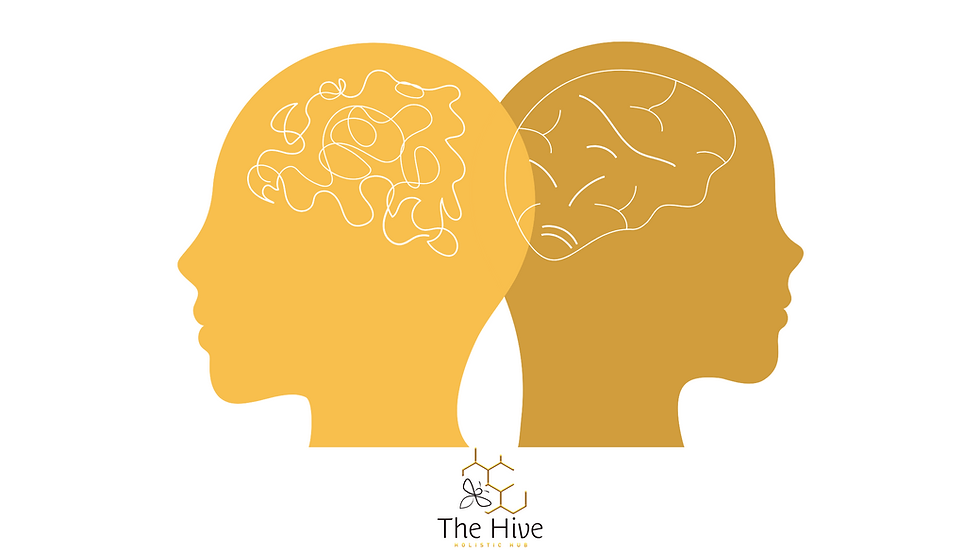
When you’re stressed, your brain releases hormones like cortisol and adrenaline, triggering the “fight, flight, or freeze” response. While this is useful in dangerous situations, prolonged stress can keep your brain on high alert, leading to anxiety, exhaustion, and mental burnout.
5 Tips to Fight Stress:
Practice Deep Breathing Taking slow, deep breaths activates your parasympathetic nervous system, which counteracts the stress response and promotes relaxation. Try the 4-7-8 technique: inhale for 4 seconds, hold for 7, and exhale for 8.
Get Moving Physical exercise helps release endorphins, the body’s natural stress relievers. Whether it's a brisk walk, a yoga session, or a dance break, moving your body helps reduce stress and improves your mood.
Prioritise Sleep Stress can make sleep harder, but lack of sleep can worsen stress. Aim for 7-9 hours of sleep per night to help your brain and body recover. Establish a calming bedtime routine, like reading or listening to soothing music.
Practice Mindfulness Mindfulness techniques, such as meditation or simple mindfulness exercises, help you focus on the present moment rather than worrying about the future or rehashing the past. Even a few minutes of mindfulness each day can significantly reduce stress.
Set Boundaries and Say No Overcommitting can lead to burnout. Learn to say no when necessary and set healthy boundaries to protect your time and energy. This helps reduce stress and ensures you have space for self-care.
Final Thoughts
Managing stress is essential for maintaining both your mental and physical health. By incorporating these 5 simple tips into your routine, you can break the cycle of chronic stress and take control of your well-being. Start with small steps, and remember, stress management is a journey—prioritise your health and take one day at a time.
Comments